EN
EN  IT
IT  SQ
SQ  ES
ES  FR
FR 
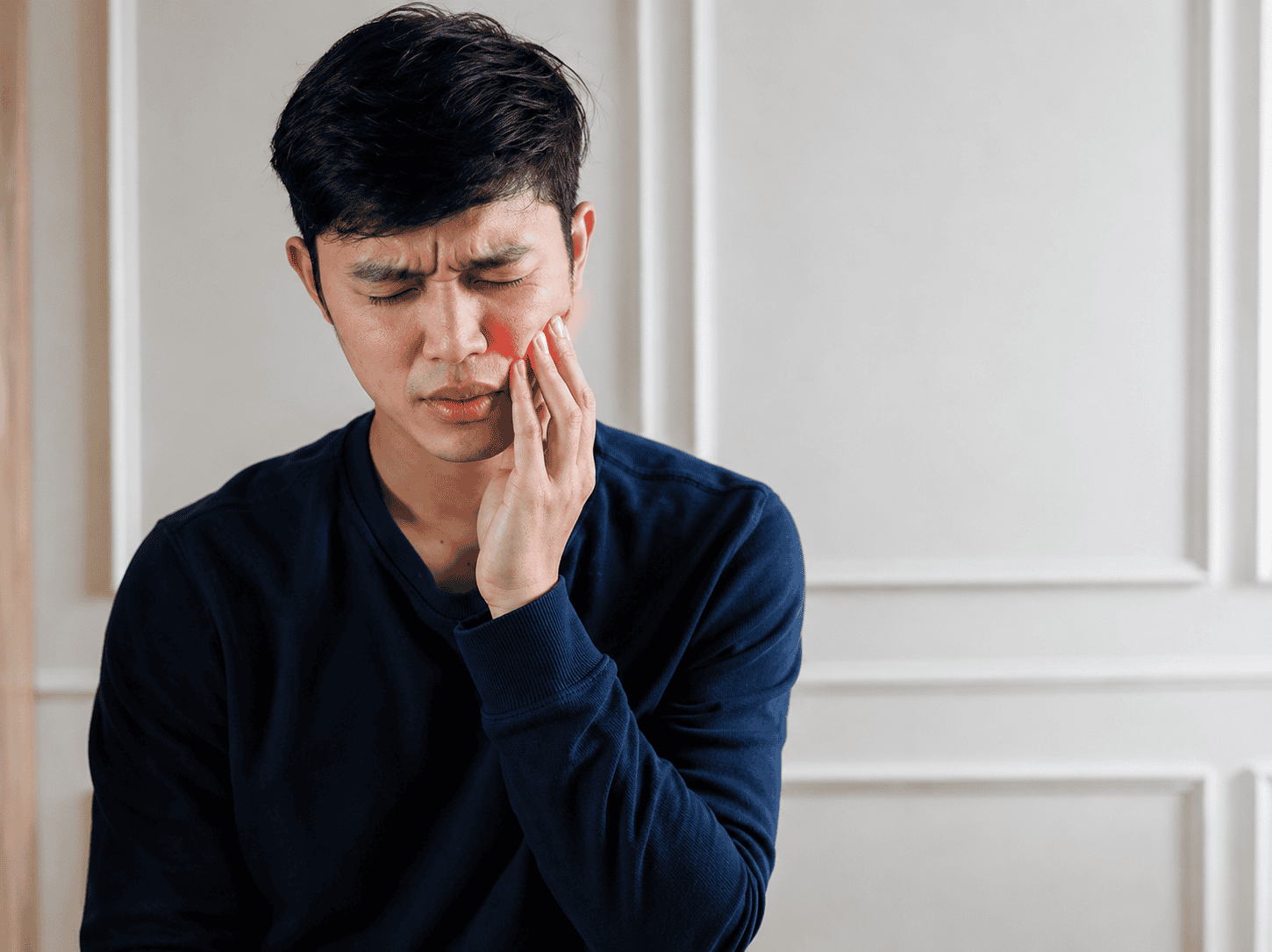
A dentist for bite problems in Albania can help if you feel tension in your jaw, pressure on your teeth, or discomfort when chewing. Jaw tension is not always solely due to stress.
Yes Family Dental Care, we will assess your teeth, gums, jaw and any existing dental work to understand the root cause of the problem. Our aim is to create a clear, safe plan tailored to your specific needs.
What are bite problems?
A bite problem occurs when the upper and lower teeth do not close together correctly. This can create pressure on teeth, muscles, joints, and dental restorations.
The most common problems include:
- Uneven bite, or teeth that don't meet properly.
- Crowns too high.
- Missing teeth.
- Worn teeth.
- Open, deep or crossbite.
- Teeth grinding.
- Jaw lock.
- Pain when chewing.
Even a small imbalance can become bothersome over time. Your bite works every day, so the pressure needs to be distributed correctly.
Why You Shouldn't Ignore Jaw Tension
Jaw tension can feel like stiffness, pressure, tiredness, or pain. Many patients think it will go away on its own, but if the discomfort recurs it's best to get it checked out.
You should see a dentist if you notice:
- Stiff jaw in the morning.
- Pain when chewing.
- Click or joint noises.
- Headache near the temples.
- Pain in the face or neck.
- Sensitive teeth.
- Fillings or crowns breaking.
- Difficulty opening the mouth.
- A bite that seems changed.
These signs don't always indicate a serious problem. However, early diagnosis can prevent more complex treatments in the future.

How the Bite Affects the Mouth
The bite controls how pressure is distributed between the teeth. When this pressure is unbalanced, some teeth work harder than others.
This can damage:
- Tooth enamel.
- Fillings.
- Crowns.
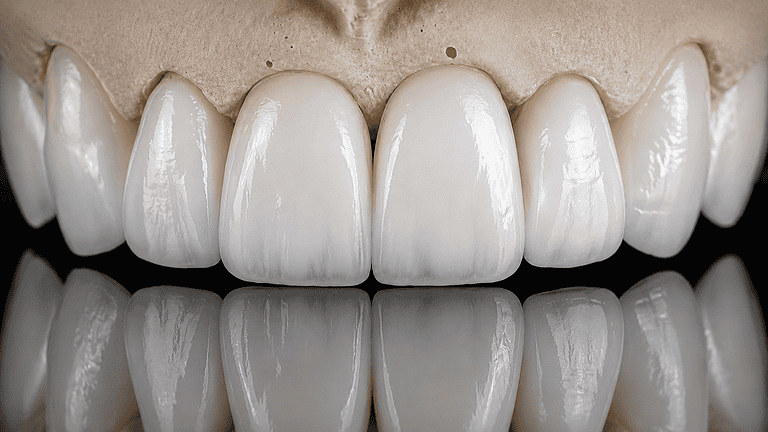
- Veneers.
- Dental bridges.
- Dental implants.
- Gums.
- Temporomandibular joints.
For this reason, bite assessment is important before treatments such as crowns, veneers, implants, or full mouth rehabilitation. A beautiful smile must also function well.
Signs of too much pressure on the teeth
Excessive pressure often leaves visible marks. The dentist can spot these during a clinical examination.
The most common signs include:
- Worn dental margins.
- Small cracks in teeth.
- Chipped nail polish.
- Broken fillings.
- Shorter teeth.
- Gum recession.
- Toothache in one tooth.
- Crowns coming off or breaking.
These signs help to understand how the bite is working. The more they are ignored, the worse the problem can become.
Missing Teeth And Jaw Tension
Missing teeth can alter the balance of your bite. When a tooth is missing, others can shift, tilt, or receive too much pressure.
This can cause:
- Uneven chewing.
- Tooth movement.
- Jaw discomfort.
- Bone loss.
- Increased pressure on remaining teeth.
- More complex future treatments.
Replacing missing teeth with implants, bridges, or other suitable solutions can help restore balance and comfort.
Old Dental Work and Bite Problems
Old crowns, fillings, bridges or dentures can affect your bite. If they are too high, worn down or don't fit well, they can cause discomfort.
Old dental work can cause problems when:
- The crowns don't fit well.
- The fillings are worn.
- The bridges are unstable.
- The prosthetics are moving.
- The fillings are too bulky.
- The bite has been modified several times over time.
At Family Dental Care, we also check old restorations during your examination. Sometimes improving old dental work can also improve jaw comfort.
When to Book an Appointment?
You don't have to wait for severe pain. Bite problems are easier to manage when they are caught early.
Book an appointment if you have:
- Jaw tension for several days.
- Pain when chewing.
- Sensitive teeth in the morning.
- Signs of grinding.
- Cracked teeth.
- Crowns or fillings that break often.
- Headache related to the jaw.
- An irregular bite.
- Discomfort after a new dental work.
- Difficulty chewing on one side.
A visit helps to understand if the discomfort is temporary or connected to the bite.
Come Family Dental Care Assesses Bite Problems
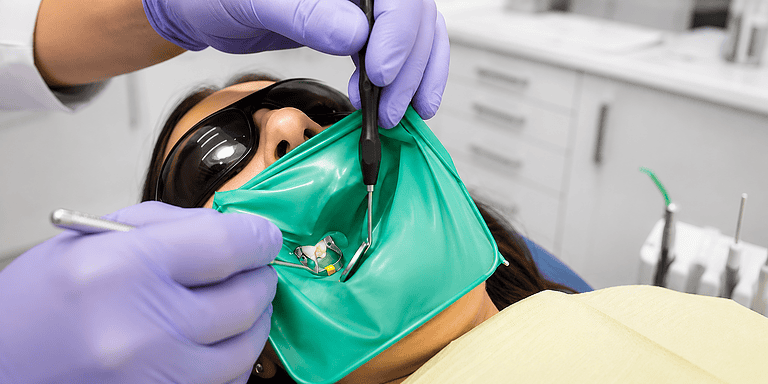
The assessment begins by listening to the patient's symptoms. We then check teeth, gums, jawbone, restorations, and bite movement.
The visit may include:
- Symptom analysis.
- Dental wear control.
- Gums and bone assessment.
- Checking of crowns, bridges, and fillings.
- Bite mark analysis.
- Panoramic radiograph.
- 3D CT scan if necessary.
- Explanation of treatment options.
The objective is not to guess. The objective is to understand the real cause of the problem.
What Treatments Can Help?
Treatment always depends on the diagnosis. There isn't a single solution for all bite problems.
The options may include:
- Bite correction.
- Replacing crowns that are too high.
- Repair of damaged fillings.
- Crowns for cracked teeth.
- Implants for missing teeth.
- Invisalign for alignment problems.
- Gum treatment.
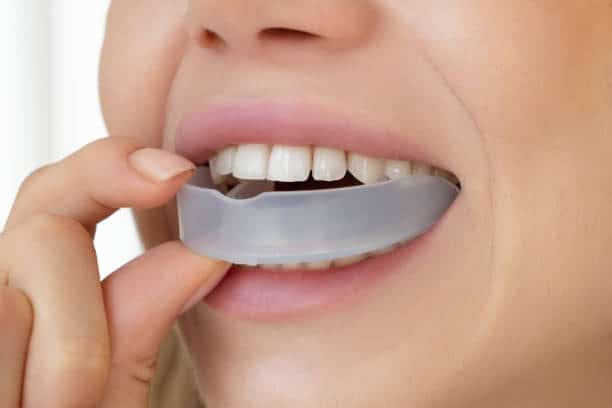
- Night guard for bruxism.
- Full mouth rehabilitation in the most complex cases.
A good plan must explain why each treatment is recommended. The patient must clearly understand each step.
Can Invisalign Help?
Invisalign can help some patients when tension is linked to tooth alignment. Better aligned teeth can distribute pressure more evenly.
It may be useful in the following situations:
- Crowded teeth.
- Gaps between the teeth.
- A slight misalignment of the bite.
- Tooth movement after tooth loss.
- Difficulty cleaning teeth properly.
Invisalign isn't the answer for every case. This is why a comprehensive dental assessment is always necessary.
Why Choose Family Dental Care?
Family Dental Care offers modern dental care in Tirana, taking a holistic approach to oral health. We don’t just treat the tooth that’s causing pain; we seek to understand why the problem arose in the first place.
Patients choose us for:
- Advanced diagnostics.
- ISO 9001:2015-certified processes.
- Dentists trained to international standards.
- Experience in comprehensive oral rehabilitation.
- Dental implants.
- Invisalign.
- Crowns and veneers.
- Periodontal treatment.
- Support for dental tourism.
- Communication in English and Italian.
If jaw tension is affecting your comfort, don’t ignore it. A proper assessment can help you decide what to do next.
Final Considerations
Jaw tension and bite problems can affect comfort, chewing, natural teeth and aesthetic results. The sooner they are checked, the easier it is to protect your oral health.
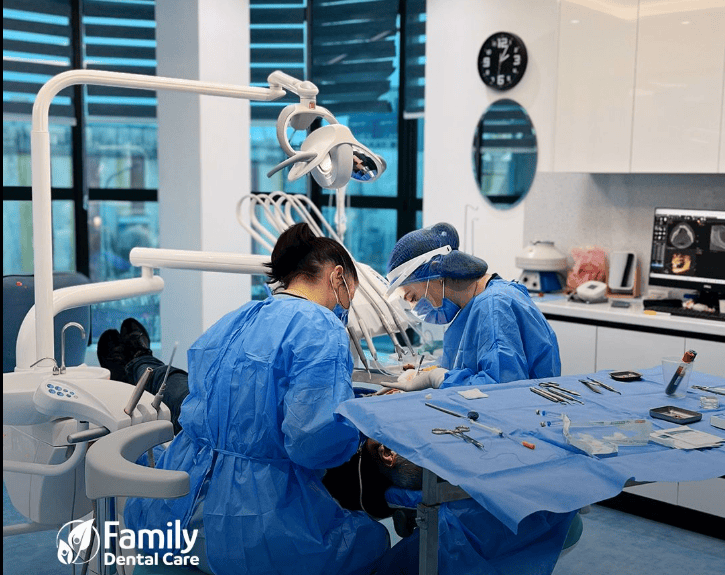
At Family Dental Care, we help patients understand if symptoms are related to their bite, old dental work, missing teeth, or alignment. A healthier bite can support a healthier smile.
Contact Us: Start Your Dental Treatment Plan in Albania Today
Contact Family Dental Care today to start your dental treatment in Albania with a clear, personalised plan. Whether you need implants, crowns, veneers, Invisalign or a full mouth restoration, we will guide you through the process with transparent communication and modern dental care in Tirana.
Call or text on WhatsApp: +355 69 704 3335
Address Kongresi i Manastirit Road, Tirana, Albania
Website: familydentalcareal.com