EN
EN  IT
IT  SQ
SQ  ES
ES  FR
FR 

Coordinated dental treatment in Albania means managing multiple dental needs within the same pathway, with a single plan and with specialists communicating with each other. In complex cases, a painful tooth, inflamed gums, an old crown or a missing implant can be linked. This is why clinical coordination becomes as important as the treatment itself.
Many patients don't have just one problem. They have multiple teeth to assess, old work to check, and aesthetic goals to achieve.
When everything is analysed together, the result can be more stable, more natural and easier to follow.
Why a dental case becomes complex
A dental case is complex when a single solution is not enough. A combination of diagnosis, endodontics, dental crowns, implants, periodontics, or aesthetics may be required.
Often, the patient only sees the most obvious problem. The dentist, however, must understand what is happening beneath the surface.
The most common signs are:
- more teeth damaged on the same side
- Pain returning after old treatments
- Bleeding or receding gums
- worn or fractured teeth
- old crowns no longer accurate
- Tooth loss and difficulty chewing
- Uneven smile due to shape or colour
In these cases, coordinated dental treatment in Albania helps to avoid isolated decisions. Each stage is evaluated in relation to the others.
The Problem of Separate Care
When a patient has a filling in one place, a crown in another and an implant elsewhere, the risk is a lack of a complete overview. Each treatment might be correct on its own, but it doesn't always work well with the rest of the mouth.
A crown might look good, but not fit well with the bite. An implant can be stable, but not aligned with the future smile.
Separate treatment can create:
- longer times
- less clear costs
- Repeat X-rays
- Communication difficulty
- uneven aesthetic results
- Confusion about priorities
A coordinated clinic works with a single leadership. This makes the journey simpler for the patient and more precise for the team.
Diagnosis Before Aesthetic Plan
In complex cases, aesthetics must come after diagnosis. Before discussing crowns or veneers, roots, gums, bone, and occlusion must be checked.
A beautiful smile also needs to be functional. If a tooth is infected, loose, or weak, covering it without treating the cause can create bigger problems.
The first assessment may include:
- Photo of a smile
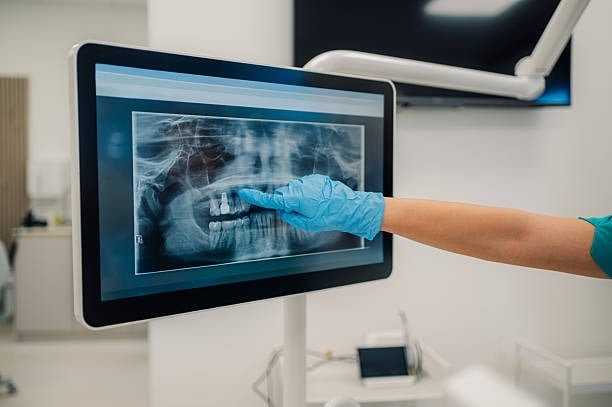
- Panoramic X-ray
- TAC 3D when needed
- Gum check
- Toothache test
- Bite analysis
- Assessment of old restorations
Only afterwards is it decided what to do first. This step protects the patient from unnecessary or incomplete treatment.
The Role of Specialists in the Same Pathway
A complex case may require multiple specialists. An endodontist can save an infected tooth, a periodontist can stabilise gums, a surgeon can place implants, and a prosthodontist can design natural-looking crowns.
The difference lies in communication. When specialists work on the same project, every decision is connected.
This approach is useful when you need:
- Root canal treatment before a crown
- bone graft prior to an implant
- Gum care before veneers
- extractions before a bridge or prosthesis
- Zirconia or E-Max crowns after healing
- Invisalign before aesthetic restorations
Coordinated dental treatment in Albania allows these stages to be organised more smoothly. The patient does not have to explain the same story to each new professional.
Why Coordination Reduces Errors
Co-ordination isn't just convenience. It's a form of clinical control.
When the team knows the full case, they can avoid choices that seem quick but are not suitable for the future outcome. This is essential for patients travelling from abroad.
Coordination helps decide:
- which teeth to save
- Which teeth to replace
- When to insert the implant
- What material to choose for crowns
- how to distribute masticatory load
- when to start the aesthetic phase
This makes the plan more predictable. The patient sees a clear sequence, not a confusing list of treatments.
A Single Plan for Time, Cost, and Outcome
The patient choosing dental tourism needs clarity. They need to know how many days to stay, how many visits are required, and what steps will be taken.
A coordinated plan helps to build a realistic schedule. It also helps to understand which treatments can be done on the same trip and which must wait for healing.
In the estimate, the patient should receive information on:
- clinical priorities
- Recommended materials
- number of sittings
- any temporary ones
- healing times
- check-ups
- possibility of a second trip
This type of organisation makes coordinated dental treatment in Albania safer for those arriving from Italy or other European countries.
When a Unique Clinic Truly Makes a Difference
A multi-disciplinary clinic is useful when a case requires many decisions. It's not just a matter of logistical convenience.
It's important when the smile needs to be restored functionally and aesthetically. Every detail must speak the same clinical language.
It is particularly useful for:
- Full mouth rehabilitation
- Heavily worn teeth
- multiple tooth loss
- old bridges to replace
- recurrent infections
- patients with insufficient bone
- patients who want a new but natural smile
In these cases, coordination can change the entire experience. The patient moves from fragmented care to a guided pathway.
Why Choose Family Dental Care For Complex Cases
Family Dental Care in Tirana offers advanced dental treatments for patients seeking a comprehensive solution in Albania. The clinic treats dental implants, All-on-4, All-on-6, dental crowns, E-Max, endodontics, periodontics, Invisalign, and bone grafting.
The patient can send photos, X-rays and questions before the trip. The team evaluates the case and prepares a personalised plan.
This is useful for anyone who wants to:
- a single point of reference
- a clear initial consultation
- English and Italian communication
- Dental trip organisation
- Selected materials for function and aesthetics
- a path designed for one's own case
Strength isn't about doing everything quickly. Strength is knowing what to do first, what to do next, and what not to force.
Questions to Ask Before Starting
A patient with a complex case needs to ask practical questions. The answers help to understand if the plan is truly coordinated.
Before we begin, please ask:
- Which teeth can be saved?
- Which teeth have priority
- if gum treatment is needed before crowns
- if a root canal treatment needs to be done first
- When can implants be inserted?
- What material is recommended for each area
- How many checks are needed before returning?
These questions make coordinated dental treatment in Albania more transparent. They also help the patient understand the value of a clinic that looks at the whole mouth, not just one tooth at a time.
The International Patient's Advantage
For those arriving from abroad, coordination reduces uncertainty and wasted time. The patient can understand before travelling which documents to send and which sessions to expect.
This makes treatment easier to schedule around work, family, and flights. A unique overview also helps to better explain costs, priorities, and alternatives.
Contact Us For A Coordinated Dental Plan
If you have multiple dental problems and don't know where to start, Family Dental Care can help you create a comprehensive plan. The first step is simple and pressure-free.
- Submit your case and receive an initial evaluation.
- Write to us on WhatsApp at +355 69 70 433 35
- Please send clear photos of your smile and teeth
- Upload a panoramic X-ray if available
- Explain pain, old remedies, and aesthetic goal
- Request a free quote
- Receive a personalised plan for your treatment in Tirana
- Visit Family Dental Care at Rruga Kongresi i Manastirit, Tirana, Albania
Family Dental Care It helps you turn a complicated case into an orderly process. A new smile begins with a coordinated diagnosis.